Teach Stanford to build.
Stanford GSB already teaches MBAs to understand AI — and through AI@GSB, students are already itching to use it. I'd love to help them build and ship with it — decks, landing pages, web and iOS apps, video, podcasts, and agents — as a hands-on enhancement to what the faculty already do brilliantly. I'm a Stanford CS grad doing exactly this, right now, at the frontier — and I'd start with a workshop pilot.
The next generation of leaders won't delegate the building. They'll do the building — and lead everyone else to do it too.
I don't write about this shift — I lead it every day.
I'm Noah Kindler, Head of Product for alexa.com — Amazon's answer to ChatGPT — and I lead the cultural shift inside Amazon's product org to turn product managers into builders.
Stanford CS major. Harvard MBA. I sit on the exact seam this course lives on: technical enough to know what AI can really do, and a trained general manager who knows what a business actually needs from it.
My day job is the syllabus. I ship a frontier consumer AI product, and I spend my weeks convincing accomplished PMs to stop writing requirements for other people to build — and to build it themselves, in an afternoon, with AI. That change is hard, human, and political. It's also the single highest-leverage skill an MBA can leave school with.
And this one's personal: I learned to build on the Farm. Stanford GSB trains the people who start and run the companies that define the next decade — and through AI@GSB, its students are already teaching each other to use these tools. I'd love to come home and help them go one step further: from using AI to building and shipping with it — working alongside the faculty, as an enhancement to what they already do.
The Résumé Behind the Pitch
Everyone is teaching AI literacy. Almost no one is teaching AI fluency.
The faculty question isn't "should we teach AI" — that's settled. It's which AI education compounds. Here's where the market actually is, and the gap this proposal fills.
The "understand & deploy" tier
- Harnessing AI for Breakthrough Innovation & Strategic Impact — GSB Exec Ed
- AI-Driven Leadership: Strategies for the Future — Stanford Online
- Leading with AI: Strategy & Product Transformation — 12-week, Stanford Online
- Stanford HAI professional education + the student-led AI@GSB initiative
Stanford already leads here, across GSB Exec Ed, Stanford Online, and HAI. These programs are strong, largely online, conceptual, and aimed at strategy and judgment. They make a leader conversant.
The "build & ship" tier
- A hands-on layer where MBAs actually build and ship working products
- A practitioner-led studio for decks, sites, apps, video, audio, agents
- The 'help managers become builders' change-leadership angle
- A frontier practitioner turning AI@GSB's energy into shipped artifacts
This is where the leverage — and the differentiation for Stanford GSB — lives. Literacy is becoming table stakes. Fluency is the moat.
The half-life of "AI literacy" is shrinking fast — by graduation, basic AI awareness is assumed. What appreciates on top of it is the ability to produce: to take an idea and make it real, alone, in hours. Layering hands-on building onto the strong literacy foundation Stanford already has — and onto the student energy of AI@GSB — is a natural next step, and a distinctive one.
Start with a pilot: a workshop series that builds on the curriculum.
The right first step isn't a new course — it's a pilot. A short series of hands-on workshops, led by an industry practitioner and designed with the faculty, where MBAs take concepts from the classroom and turn them into shipped, real artifacts. Prove the demand, then grow it from there. Everything below is representative — a starting point to shape together, not a fixed program. Department and format are open for discussion.
The MBA Workshop Series
A short series of practitioner-led workshops that build on one another — each one ends with students shipping a real artifact. The fastest way to prove the concept, build student demand, and let the faculty shape what it becomes.
The Builder's MBA
If the workshops resonate, the natural next step is a full elective — co-designed with faculty — where every session ships an artifact and the arc ends with a live Demo Day. Students leave with a portfolio. The full representative arc is below.
Stanford Executive Education is its own track with its own rhythm, and GSB already has real momentum here — from Harnessing AI for Breakthrough Innovation to Stanford Online's AI-leadership programs. If it's useful, I'd be glad to complement those efforts with a hands-on, build-something intensive for senior leaders — entirely in support of, and guided by, the Exec Ed team. A representative agenda is included below for reference.
The Builder's Mindset — From Managing the Work to Making It
The shift from 'managing people who make things' to 'making things yourself.' We reframe the manager's job around leverage: what you can now produce in an afternoon that used to take a team a quarter. Live demo: an idea to a working artifact in 40 minutes.
▸ Ship: your first AI-built one-pager, live, before you leave the room.Prompting as a Management Skill
Context, constraints, examples, and critique loops. Treating the model like a brilliant new hire who needs a great brief. Prompt patterns that separate amateurs from operators: role + reference + rubric.
▸ Build a reusable 'brief library' for your function.Decks That Persuade — From Blank Slide to Board-Ready
Generating narrative-first decks, not bullet soup. Structuring an argument, designing visuals, and using AI to pressure-test the logic before a human ever sees it. The McKinsey-quality deck, built solo.
▸ A 12-slide strategy deck on a real decision you face.Landing Pages & Brand — Test an Idea Before You Fund It
Standing up a real, deployed landing page to validate demand. Copy, design, and a working waitlist. The MBA case-competition idea becomes a live URL you can put in front of customers tonight.
▸ Deploy a live landing page with analytics + a working signup.Web Apps Without Engineers — The Internal Tool
Going from spreadsheet to working web application. Data models, forms, and logic, built and deployed. The 'we should build a tool for this' moment, resolved by the GM, not a backlog.
▸ A working web app that solves a real workflow problem.Mobile in Your Pocket — Prototyping an iOS App
From concept to a runnable iPhone prototype. When a mobile experience is the right answer, and how to get to a tappable demo without a six-month roadmap. Demoing to stakeholders on a real device.
▸ An interactive iOS prototype of a product concept.Video & Motion — The 60-Second Story
Scripting, generating, and editing short-form video: launch teasers, internal explainers, recruiting reels. The kinetic music video for this very course as the worked example. Sound, pacing, and the cut.
▸ A produced 60-second video for a product or initiative.Audio & Podcasts — Owning the Channel
AI voice, audio editing, and producing a polished podcast episode. Why audio is the highest-trust, lowest-cost executive channel, and how to produce a show without a studio.
▸ A published podcast episode (intro, interview, edit, distribution).Brainstorming & Strategy — The Model as Sparring Partner
Using AI for divergent and convergent thinking: red-teaming a strategy, generating 50 options then killing 47, steelmanning the opposing view. Decision quality, not just speed.
▸ A red-teamed strategic recommendation with an AI 'dissent memo.'Data Without a Data Team — Analysis & Decisions
Loading messy data, asking questions in plain English, and getting to a defensible answer. Charts, cohorts, and the discipline of not trusting the first number. Where models help and where they lie.
▸ An analysis + dashboard answering a live business question.Agents & Automation — Hiring Software That Works for You
Building agentic workflows that run without you: research, monitoring, drafting, routing. The leap from 'AI as a tool I use' to 'AI as a teammate I delegate to.' Guardrails and where humans stay in the loop.
▸ A working multi-step agent that automates a recurring task.Leading the Change — Adoption Inside an Org
The hardest part isn't the tech, it's the people. Driving adoption, dismantling 'that's not my job,' redesigning roles, and the change-management playbook from turning Amazon PMs into builders. Taught from the front line.
▸ A 90-day AI adoption plan for your team or function.Risk, Ethics & Judgment — The Responsible Builder
Hallucination, bias, IP, data governance, and the limits of automation. The executive's duty of care. When 'because the AI said so' is malpractice. Building things that won't get you, or your company, sued.
▸ A governance + risk memo for an AI initiative.Demo Day — Ship It
Each student presents and demos their capstone: a real, working, AI-built product, tool, campaign, or system that creates value in their world. Live judging by a panel of operators and investors.
▸ Capstone demo: a portfolio of shipped work, presented live.- 01Build and deploy working artifacts — decks, landing pages, web and mobile apps, video, audio, dashboards, and agents — independently, without writing traditional code.
- 02Diagnose where AI creates real leverage in a function and where it introduces risk, and make defensible build-vs-buy-vs-skip decisions.
- 03Lead AI adoption inside an organization: redesign roles, drive behavior change, and overcome cultural resistance.
- 04Apply executive judgment to AI outputs — verifying, red-teaming, and governing them rather than trusting them blindly.
- 05Assemble a personal 'AI operating system': a repeatable toolkit and workflow that compounds their leverage after the course ends.
- Build Sprints (each session)40%A working artifact every session — the muscle of building, repeated until it's reflexive.
- Capstone — 'Ship It' Project30%A real, deployed product/tool/system that creates value, demoed live on Demo Day.
- Adoption Plan + Governance Memo15%The leadership and judgment outcomes — proving they can lead, not just build.
- Build Journal & Peer Reviews15%Reflection, critique, and learning to give feedback on others' builds.
Designed for the MBA elective slate (and open to MSx), with no prerequisite. Scope and weighting shown are illustrative and would be set jointly with the faculty.
Nine things every MBA should be able to build alone.
Not "be aware of." Build. Deploy. Own. Each maps to a hands-on deliverable a student ships in a workshop — a real artifact in their portfolio.
Decks & Documents
Board-ready, narrative-first presentations and memos — not bullet soup.
Landing Pages
Live, deployed pages to validate demand before a dollar is spent.
Web Apps
Internal tools and prototypes — spreadsheet to working software.
iOS & Mobile
Tappable iPhone prototypes to demo on a real device.
Video & Motion
Launch teasers, explainers, and recruiting reels that move.
Audio & Podcasts
Studio-quality shows and AI voice — the executive's channel.
Brainstorming
Divergent + convergent thinking; red-teaming real strategy.
Data & Analysis
Messy data to a defensible answer, in plain English.
Agents & Automation
Software teammates that run recurring work without you.
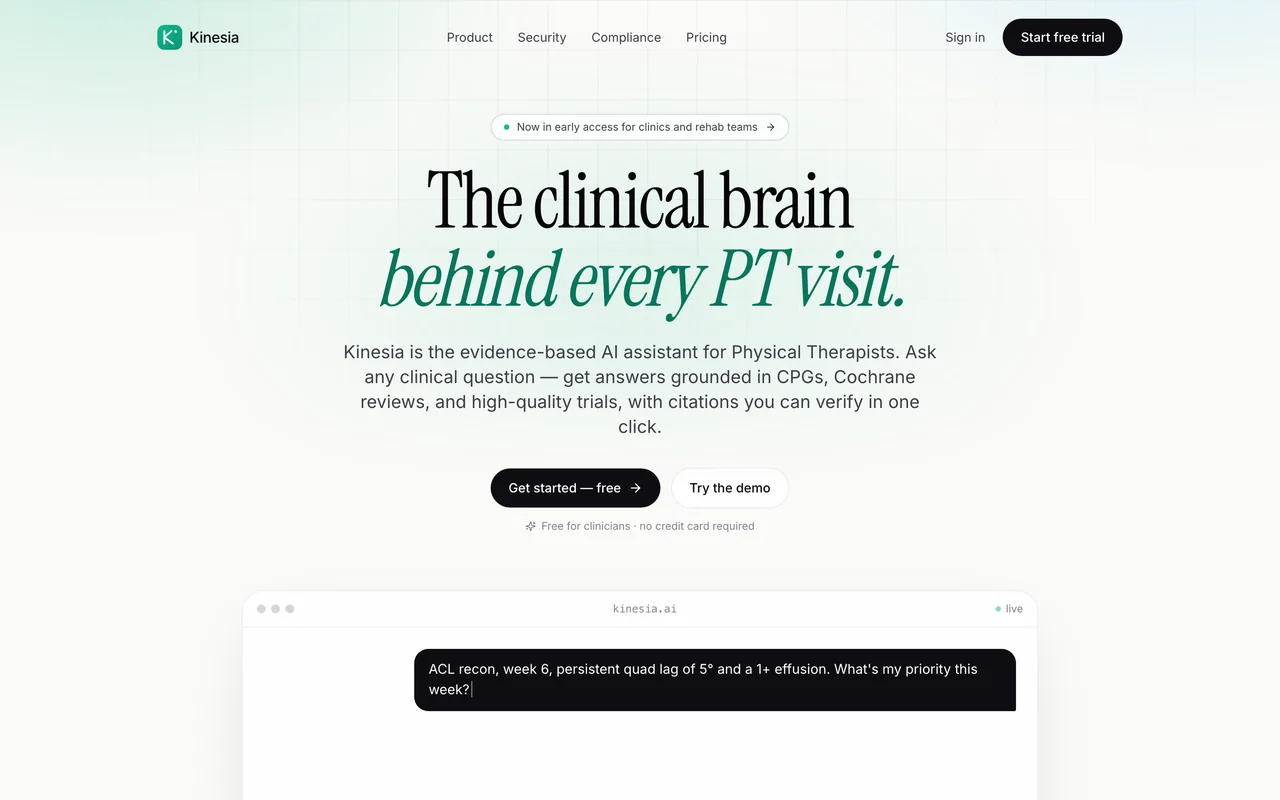
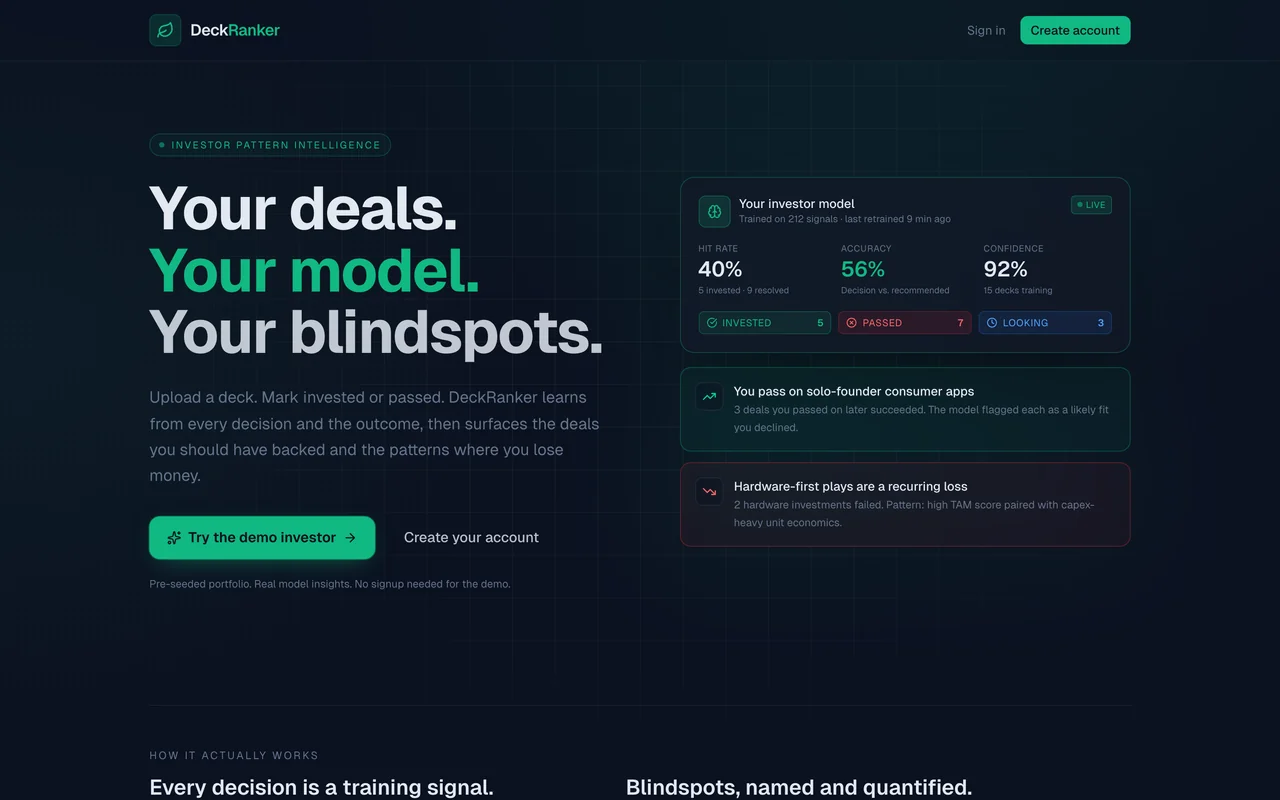
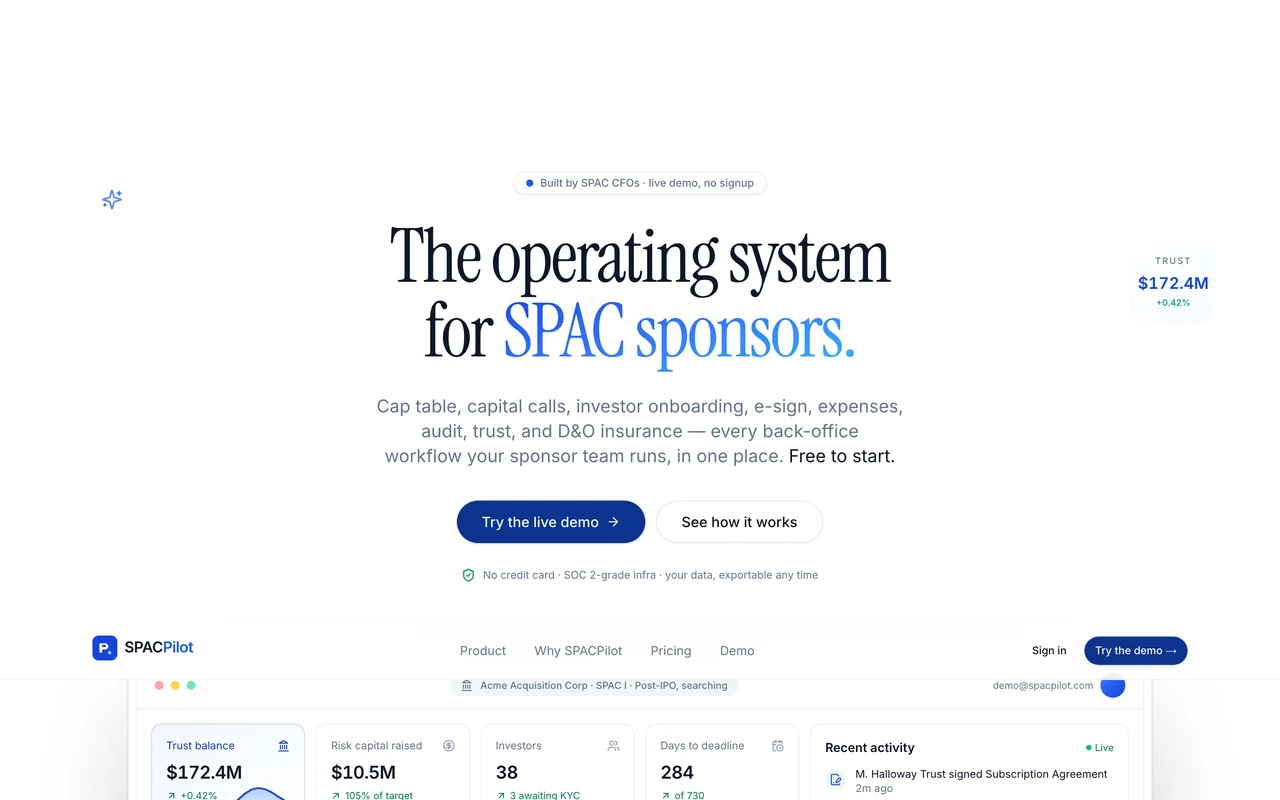
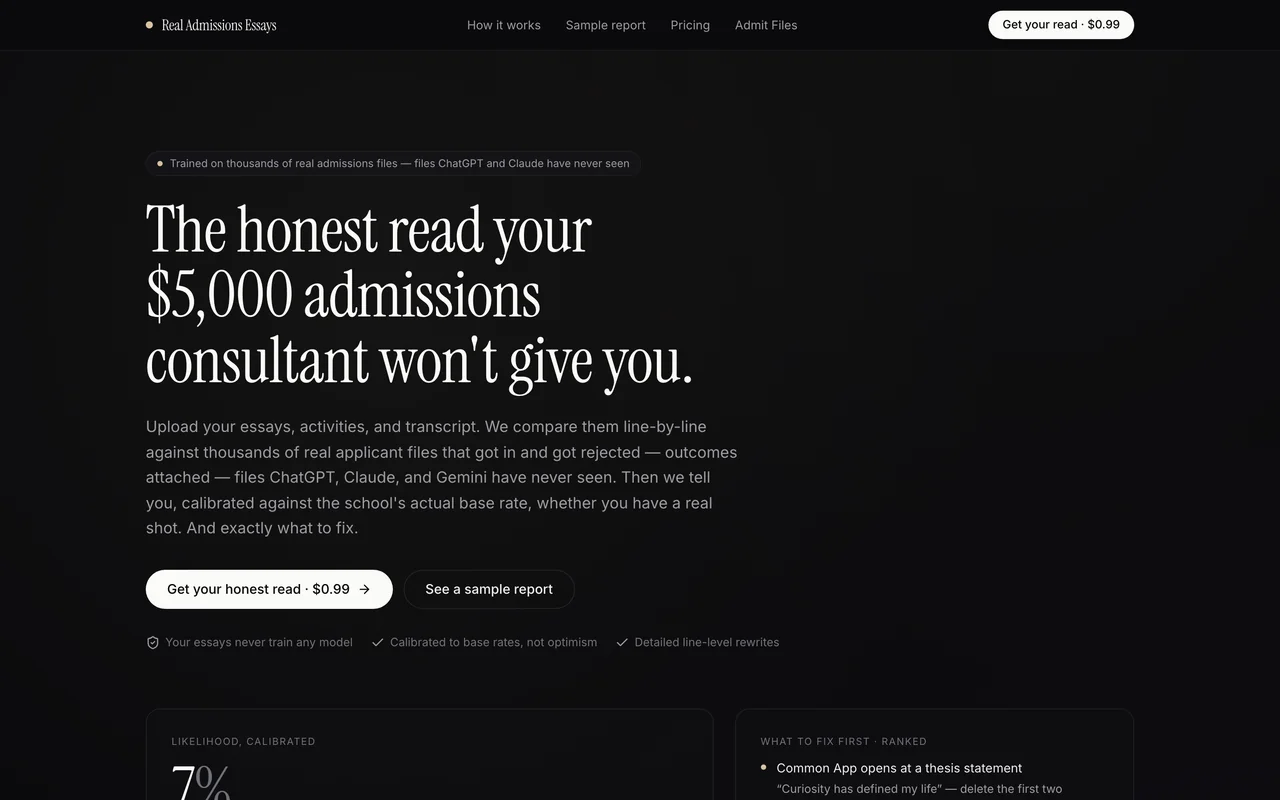
Six AI products. All live. All built solo.
This isn't theory. These are real products with real users, billing, and infrastructure — each designed, built, and shipped solo with AI. It's the exact muscle students will develop. More at noahkindler.com ↗.
Because a syllabus should also have a soundtrack.
The kinetic intro that opened this page is the pitch's anthem — built with the exact tools students will learn. The medium is the message: this is what "shipping with AI" looks and sounds like.
said "manage all these people, that's what the MBA is for."
But the tools changed overnight — now the blank page is mine,
I don't write the requirements, I ship it by design.
no code, no committee, just an idea and the will.
Cardinal red and a keyboard, that's the whole degree,
the manager's a maker now — Go Card, watch and see.
▸ How it was made (the syllabus, applied)
SONG  → Suno v4 prompt:
  "Anthemic, modern synth-pop, 100 BPM, female
   + male duet, triumphant. Theme: managers
   becoming builders with AI. Bright, collegiate,
   stadium energy. Cardinal-red Stanford pride."

VISUAL → AI-generated kinetic typography,
         beat-synced cuts (the intro you saw).

ASSEMBLY → ffmpeg static-cut, no zoompan.

This is the Video + Audio workshops
of the series — built, not described.
This is the 24-second kinetic cut, bar-aligned to 100 BPM. The Suno score muxes straight in — same file, same player.
A founder-origin film I produced for Lighty.
Beyond the anthem: a longer AI-built piece I wrote, generated, and edited for lighty.ai ↗. It's the exact craft taught in the Video & Motion and Audio sessions — story, image generation, voice, and the cut — done end to end.
Let's start with a workshop pilot — and prove it.
I'd welcome a short conversation to scope a workshop series with the faculty — a focused, hands-on pilot that's easy to say yes to and built to grow from there. I'm glad to follow Stanford GSB's lead on format, home, and timing, to plug into the energy of AI@GSB, and to complement the Exec Ed team's work if that's useful. Happy to bring a representative session plan, a sample of student output, and references.
References available on request from CEOs leading billion-dollar companies and senior executives across PE-backed and Fortune 500 firms.